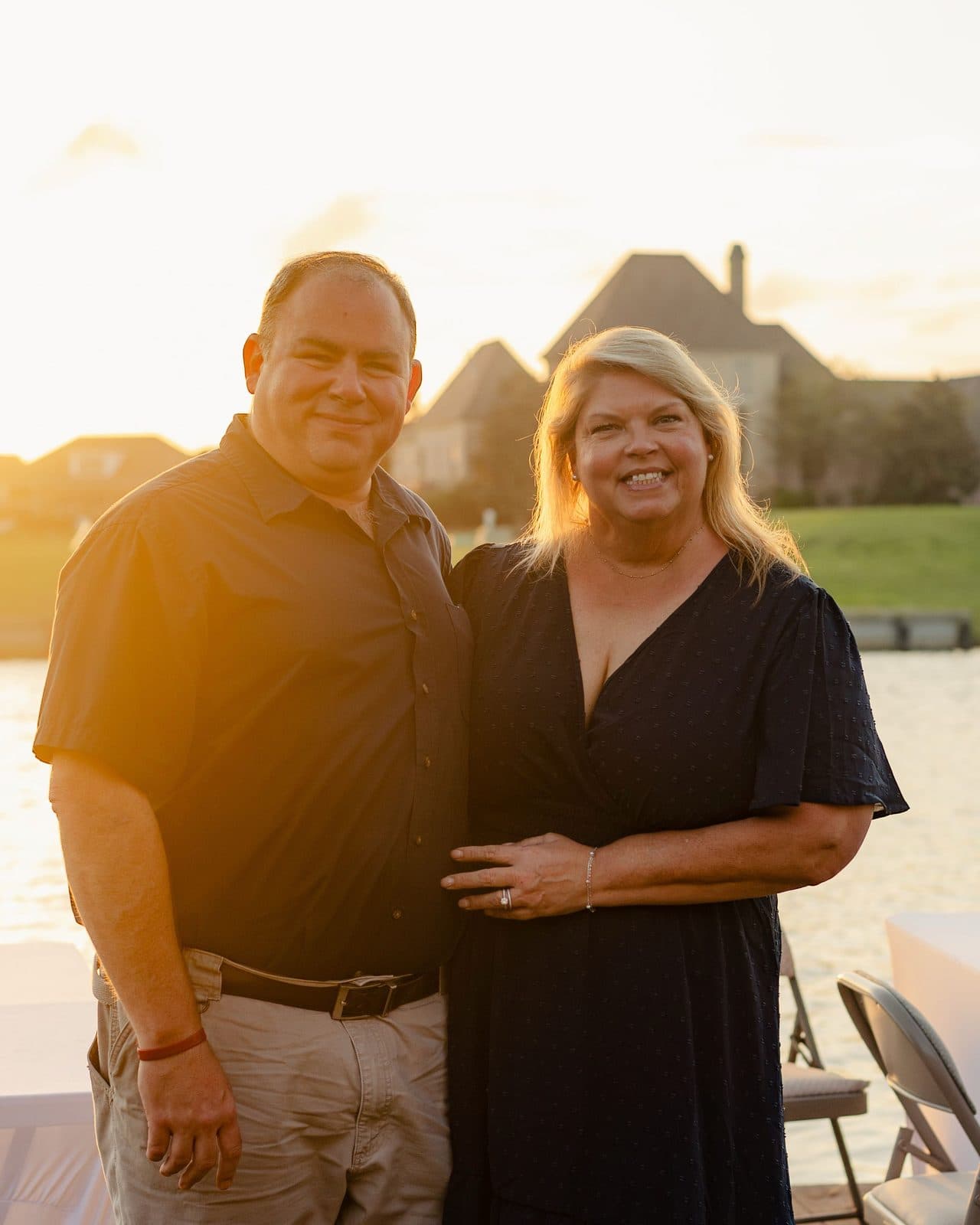
It took trip after trip to treatment before I finally stopped gambling.
Talks on addiction and the long road to recovery, for people in treatment and recovery, Gamblers Anonymous groups and other 12-step meetings, and the clinicians, staff, and programs that work with them.
One addict’s descent and the long road back, from a coin pusher in a seventh-grade arcade through trip after trip to treatment. What addiction is, why understanding it isn’t the same as treating it, and what finally worked. I happen to be an emergency physician, and that plays into the talk a little bit: I’ve been on both sides of the white coat.
Two short samples from “Both Sides of the White Coat.” The full talk is not posted here.
Arcade, candy, and the draw
Seventh grade, a video arcade, and the candy that explains the draw. About a minute and forty seconds.
Read the transcript
I started gambling when I was in the seventh grade at a video arcade. There's a little game, most people played it, you drop a quarter in, if you drop the quarter in just the right spot it lands on a shelf. And if that quarter pushes some other quarters off the shelf, you get more quarters. So one quarter in might get five quarters out or it might get six quarters out or it might get no quarters out. So around that time, that period of my life was no good. The first time I rolled into this arcade it was perfect. Wasn't very popular, nobody was there. I had my five or 10 bucks with me that my parents had given me. And I could ride my bike down there and just be there by myself. Nobody would bother me, nobody would hurt me, nobody would pick on me. And the more times I went to the arcade that quarter machine became virtually the only machine I played. I would occasionally play like Skee-Ball or some of the other ones that gave tickets. And the tickets of course you could, once you put $10 in a Skee-Ball machine you could get an eraser that's worth a nickel. But those were the only machines I played. For five bucks I could have probably bought three bags of candy at the store but I would turn that into playing all those games just to get a few tickets. It's a ridiculous process. It's, in technical terms, in psychology they refer to it as positive reinforcement with random reward. That not knowing that moment of suspense will it pay off or will it not, that's the draw.
Board certified for years, and still no idea what addiction was. About a minute.
Read the transcript
I've been board certified emergency physician for 13 years, been a medical director of emergency rooms, prisons. I've trained instructors for American Heart Association, trained medical students and residents, and personally had countless hours of education myself, and I had no idea what addiction was. Five of those years had gone by, by the night when I put my hands on a patient. Time went by before I truly understood what addiction is. On the day I first encountered that patient in 2018, I would have told you that these behaviors were a choice and a continued choice, and they were doing this to themselves and shouldn't even be allowed in the emergency room. And it still happens, you know, people come in and I have a little bit better understanding, but you know, people come in and they're like, they're here again. I'm like, well, you know, they're not in a place, these are not decisions and choices that they're making anymore. This is their addiction that's in full control of everything that they do.
Addiction. Drinking, Gambling, Drugs or Sex, and why it’s a disease and not a choice
The long road to recovery: trip after trip to treatment, and why it finally stuck
Early recovery, one day at a time, when forever is too far to look
What treatment and monitoring feel like from the inside
Professionals with addiction, and how they hide in the profession
Working with the programs rather than against them
Outcomes
What a room takes away
That understanding is not treatment. I knew the science of my own addiction cold and kept gambling anyway. “These programs didn’t fail. They were all very useful. I just wasn’t willing.”
The one question I ask anyone who wants to go back to treatment…one more time: “What do you think is going to be different this time?”
That recovery is a today thing, not a forever thing. Forever is what kept me paralyzed.
Gambling isn’t the only thing. I’ve dealt for years with depression, emotional eating, and anger, and I handle them the same way, one day at a time. As my sponsor says, each day I try to be a little bit better than I was yesterday.
For the staff in the room: what the people you refer are actually walking into, from someone who walked into it more than once.
Why honesty with a program is the practical move and not the noble one. The fastest way to damage that relationship is to lie to them, or to skip facts that are going to come out anyway.
Formats
How long a room has me
Short engagement30 to 45 minutes
Keynote1 hour
WorkshopHalf day
Staff in-serviceFull day
Family programOn Zoom, 2 to 3 days based on the number of participants
Other speakers
Some audiences want more than one voice. I can also arrange speakers who work inside a professional health program, and clinicians who have treated professionals going through one. Tell me what your audience needs and I’ll tell you honestly whether I can put it together.
About the speaker
Marshall R. Naquin, M.D.
Board certified, American Board of Emergency Medicine
“My name’s Marshall, and I’m a compulsive gambler.” That is how Marshall R. Naquin, M.D., introduces himself. He is a board-certified emergency physician in recovery from gambling addiction, and it took him trip after trip to treatment before it stuck. His work has ranged from offshore in the oil and gas industry to medical director of an emergency room. He speaks to people in treatment and recovery, and to the clinicians, staff, and programs that work with them, about addiction and the long road back.